
The first morning after getting your braces adjusted can cause tenderness. The next morning, when you eat breakfast, you may notice your teeth feel sensitive. Your cheeks feel tender where the brackets rub, talking feels strange, and you are already wondering how you will get through work, school, or even a game day tailgate like this.
If that sounds familiar, you are not alone. You can use a mix of home strategies and quick office visits to stay more comfortable. The ideas below focus on real routines that work at home, at school, on long drives between towns, and during busy seasons, along with clear signs that it is time to call Dudley Smiles for extra help from Dr. Dudley.
What Braces Soreness Really Means
Braces work by putting gentle, steady pressure on your teeth. That pressure signals the bone around each tooth to remodel, allowing the roots to shift. As that process starts, your teeth may begin to feel tender, and your bite may even feel odd for a few days.
You may notice:
- A dull ache in your teeth when you bite down
- Sore spots on the cheeks or lips where brackets and wires rub
- Light pressure after each adjustment or new wire
- Slight headaches from clenching more than usual
Most people feel the peak of soreness during the first 24 to 72 hours after braces go on or after a larger adjustment, then notice steady improvement over the next few days.
How To Manage Discomfort With Braces In The First Week
The first week sets the tone. A few simple moves can take the edge off soreness and help your mouth adjust faster.
1. Use Cold To Calm Soreness
Cold slows swelling and numbs sore spots.
- Sip ice water during the day.
- Enjoy soft, cold foods like yogurt, smoothies, or frozen fruit cups (maybe even have mom or dad treat you to Emerald City Smoothie!)
- Hold a cold pack or a bag of frozen peas against your cheek for 10 to 15 minutes at a time.
The American Association of Orthodontists shares that soft, cold foods and cool compresses are simple, home-friendly ways to make braces more tolerable in those first days.
Avoid chewing ice, which can bend wires or pop off brackets.
2. Take Over-The-Counter Pain Medicine Correctly
If your pediatrician, physician, or pharmacist has already cleared medicines like ibuprofen or acetaminophen for you or your child, these pain relievers can help during the most tender phase. Many families take a dose just before or right after an appointment, then again later in the day as needed, following the label instructions exactly.
If you have any medical conditions, allergies, or already take daily medicine, talk with your medical provider first. Dr. Dudley can answer questions about braces, but this does not replace medical advice.
3. Lean On Orthodontic Wax
That tiny box of clear wax you took home matters more than it looks.
- Dry the bracket or wire with a tissue.
- Roll a pea-sized ball of wax between clean fingers.
- Press it gently over the sharp or rubbing spot until smooth.
Wax creates a small barrier between the metal and the cheeks, allowing irritated spots to heal instead of becoming more inflamed. Reapply after eating or brushing if it falls off.
4. Rinse With Warm Saltwater
A simple saltwater rinse can soothe raw spots and keep the area cleaner.
- Mix one teaspoon of regular table salt into 8 ounces of warm water.
- Swish gently for 30 seconds, then spit.
- Repeat a few times per day while your mouth feels tender.
- Colgate
Do not swallow the water, and wait at least 30 minutes before using a fluoride rinse so they can work well together.
5. Switch To A Softer Brushing Routine
Brushing still matters, even when everything feels sore. Instead of scrubbing harder, change the tools.
- Use a soft or extra soft toothbrush.
- Tilt the bristles along the gumline and around each bracket.
- Slow down and let the bristles do the work.
If you use an electric brush and it feels too intense at first, drop to a lower setting or use a manual brush for a few days.
Habits That Help Braces Feel Better Every Day
Once you move past the first week, comfort comes down to small daily choices.
Build A Braces Care Kit
Keep a small pouch in your backpack, purse, or car with:
- Travel toothbrush and toothpaste
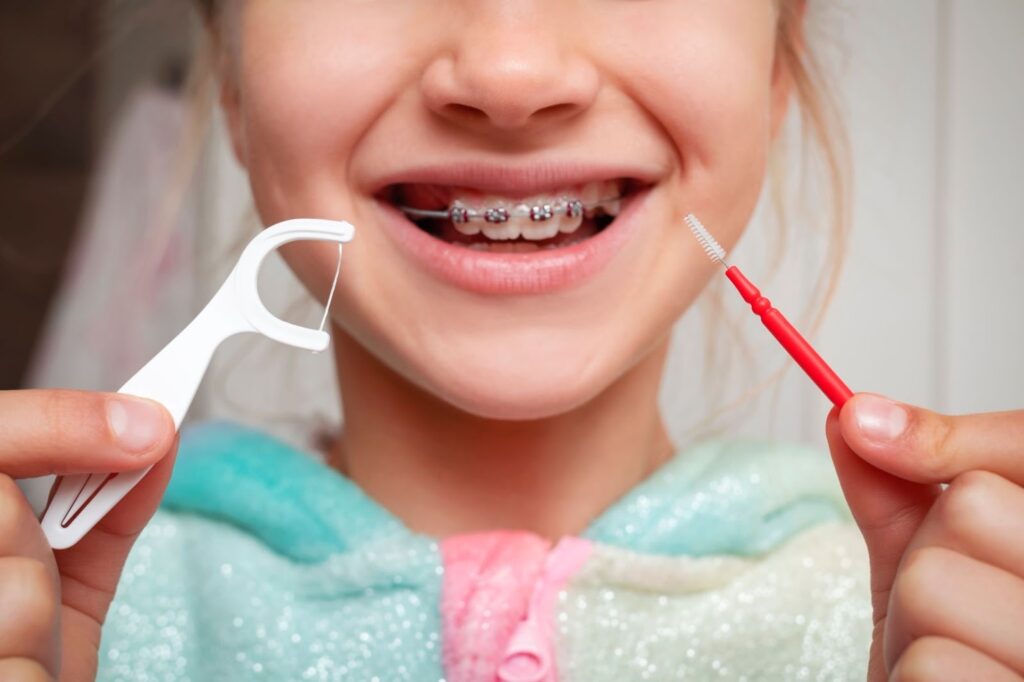
- Floss threaders or orthodontic flossers
- Orthodontic wax
- A small mirror
- Over-the-counter pain medicine if your doctor has approved it
Having everything within reach makes it easier to handle a poking wire in the middle of class at Issaquah High or right before a shift in downtown Kent, rather than waiting hours.
Stay Hydrated
Dry air can make your mouth feel drier, which means more friction against brackets. Sipping water throughout the day helps:
- Rinse away food particles
- Keep cheeks and lips from sticking to brackets
- Freshen breath between brushes
Plain water is best. Sugary drinks keep acids around your teeth longer and can raise the chance of white spots around brackets.
Protect Sore Spots Before Sports Or Band
If you play football at Issaquah High, club soccer in Sammamish, or march with the band under the Friday night lights in Bellevue, consider a braces-friendly mouthguard. A good fit cushions braces from bumps and cuts. Bring it to your appointment so the team can check the fit and make sure it works well with your brackets and wires.
What To Eat On A Tender Braces Day
Food choices make a bigger difference than most people expect. Think of your teeth like a sore muscle. Gentle movement feels fine, heavy lifting does not.
On sore days, aim for:
- Mashed potatoes or refried beans
- Scrambled eggs or breakfast tacos with soft fillings
- Yogurt, cottage cheese, or smoothies
- Soft pasta, rice bowls, or stews
- Ripe bananas, peaches, or avocados
If you love local spots, many offer sides like macaroni and cheese, soft enchiladas, or soups that work well on a tender day.
Try to skip:
- Hard chips and crusty bread
- Nuts, popcorn, and ice
- Sticky candies and caramels
Those foods are tough on both your teeth and your braces hardware, and often make soreness feel worse.
If Your Braces Are Still Sore, Talk With The Dudley Smiles Team
If your braces are making it hard to eat, sleep, or focus, the team at Dudley Smiles can help you feel more comfortable. Reach out to schedule a quick comfort visit with Dr. Dudley so we can smooth sharp spots, fine-tune your wires, and walk you through simple at-home tricks that match your normal routine. A small adjustment in the Issaquah office often makes a big difference in how your braces feel.